

Can a Horizontal Ribbon Mixer be used for mixing powders and liquids?
Dec 17, 2025
A horizontal ribbon mixer is a versatile piece of equipment widely used in various industries for blending different materials. One common question that often arises is whether a horizontal ribbon mixer can be used for mixing powders and liquids. In this blog post, I'll delve into this topic, drawing on my experience as a supplier of horizontal ribbon mixers.

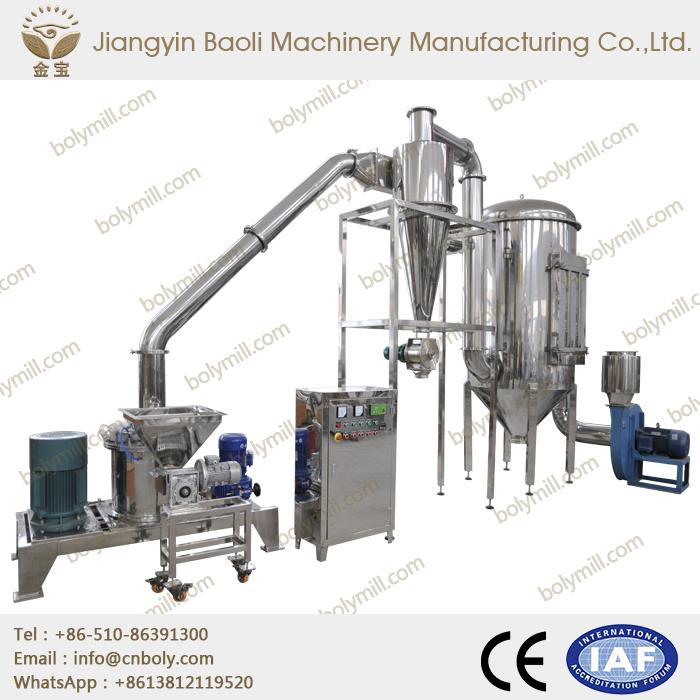
Understanding the Horizontal Ribbon Mixer
Before we explore the mixing of powders and liquids, let's first understand how a horizontal ribbon mixer works. A horizontal ribbon mixer consists of a U-shaped trough and a double helical ribbon agitator. The outer ribbon moves the material from the ends towards the center, while the inner ribbon moves it from the center towards the ends. This counter - current movement creates a thorough and efficient mixing action.
The design of the horizontal ribbon mixer makes it suitable for a wide range of applications. It can handle different types of materials, including dry powders, granules, and even some viscous substances. The mixer can achieve a high degree of homogeneity in a relatively short time, which is crucial for many industrial processes.
Mixing Powders and Liquids: Feasibility
The answer to whether a horizontal ribbon mixer can be used for mixing powders and liquids is yes, but with certain considerations. The mixer's ability to blend these two different states of matter depends on several factors.
Compatibility of Materials
First and foremost, the compatibility of the powder and the liquid is essential. Some powders may react with the liquid, causing clumping, solidification, or other unwanted chemical reactions. For example, if you try to mix a powder that is highly hygroscopic (absorbs moisture) with a large amount of water, it may form lumps instead of a homogeneous mixture. Before using the horizontal ribbon mixer, it's necessary to conduct small - scale tests to ensure that the materials are compatible.
Liquid - to - Powder Ratio
The ratio of liquid to powder is another critical factor. If the amount of liquid is too small compared to the powder, the liquid may not be evenly distributed throughout the powder. On the other hand, if there is too much liquid, the mixture may become too wet and sticky, which can lead to issues such as the mixture sticking to the walls of the mixer or the ribbons. Generally, for a horizontal ribbon mixer, a proper liquid - to - powder ratio needs to be maintained to achieve optimal mixing results.
Viscosity of the Liquid
The viscosity of the liquid also plays a significant role. Low - viscosity liquids, such as water or alcohol, are easier to mix with powders compared to high - viscosity liquids like syrups or pastes. High - viscosity liquids may require more energy and a longer mixing time to be evenly distributed in the powder. In some cases, additional equipment or techniques may be needed to pre - treat the high - viscosity liquid to make it more suitable for mixing.
Advantages of Using a Horizontal Ribbon Mixer for Powder - Liquid Mixing
Despite the challenges, there are several advantages to using a horizontal ribbon mixer for mixing powders and liquids.
Efficient Mixing
The counter - current movement of the ribbons in a horizontal ribbon mixer ensures that the powder and the liquid are continuously agitated and mixed. This results in a more efficient and thorough blending compared to some other types of mixers. The mixer can quickly break up any clumps and distribute the liquid evenly throughout the powder, achieving a high degree of homogeneity.
Versatility
Horizontal ribbon mixers are highly versatile. They can be used for a wide range of powder - liquid mixing applications in different industries, such as food, pharmaceuticals, chemicals, and cosmetics. Whether you are mixing spices with oil in the food industry or blending active ingredients with solvents in the pharmaceutical industry, a horizontal ribbon mixer can be a suitable choice.
Ease of Cleaning
Cleaning is an important aspect of any mixing equipment, especially in industries where hygiene is crucial. Horizontal ribbon mixers are relatively easy to clean. The U - shaped trough and the smooth surfaces of the ribbons make it easier to remove any residual mixture after the mixing process. This reduces the risk of cross - contamination between different batches.
Applications in Different Industries
Let's take a look at some specific applications of horizontal ribbon mixers for powder - liquid mixing in different industries.
Food Industry
In the food industry, horizontal ribbon mixers are used for various powder - liquid mixing tasks. For example, they can be used to mix flour with water and other liquid ingredients to make dough. They are also used to blend seasonings, such as Red Chilli Powder Machine, with oils or vinegars to create spice blends. The mixer's ability to achieve a uniform mixture is essential for ensuring consistent product quality in the food industry.
Pharmaceutical Industry
In the pharmaceutical industry, accurate and homogeneous mixing of powders and liquids is crucial for the production of medications. Horizontal ribbon mixers can be used to blend active pharmaceutical ingredients (APIs) with excipients in liquid form. The mixer's gentle mixing action helps to prevent the degradation of sensitive APIs, while its efficient mixing ability ensures that the final product meets the required quality standards.
Chemical Industry
The chemical industry often requires the mixing of different powders and liquids to produce various chemical products. For example, a horizontal ribbon mixer can be used to mix pigments with solvents to create paints or dyes. The mixer can handle different types of chemicals and ensure that they are evenly mixed, which is important for the performance and quality of the final chemical products.
Cosmetics Industry
In the cosmetics industry, horizontal ribbon mixers are used to blend powders, such as talc or mica, with liquids like lotions or creams. This helps to create cosmetic products with a smooth texture and consistent color. The mixer's ability to mix different materials efficiently is essential for meeting the high - quality standards of the cosmetics market.
Tips for Optimal Powder - Liquid Mixing with a Horizontal Ribbon Mixer
To achieve the best results when using a horizontal ribbon mixer for powder - liquid mixing, here are some tips:
Pre - mixing
If possible, pre - mix the liquid with a small amount of the powder to create a slurry. This can help to break up any clumps in the liquid and make it easier to distribute throughout the rest of the powder.
Slow Addition of Liquid
Add the liquid slowly to the powder while the mixer is running. This allows the liquid to be evenly absorbed by the powder and reduces the risk of clumping.
Adjusting Mixing Time and Speed
Depending on the properties of the materials, adjust the mixing time and speed accordingly. High - viscosity liquids or difficult - to - mix powders may require a longer mixing time and a higher mixing speed.
Using Additives
In some cases, using additives such as anti - caking agents or emulsifiers can help to improve the mixing process. These additives can prevent clumping and ensure a more stable and homogeneous mixture.
Conclusion
In conclusion, a horizontal ribbon mixer can indeed be used for mixing powders and liquids, but it requires careful consideration of factors such as material compatibility, liquid - to - powder ratio, and liquid viscosity. The mixer offers several advantages, including efficient mixing, versatility, and ease of cleaning, making it suitable for a wide range of applications in different industries.
If you are in need of a reliable horizontal ribbon mixer for your powder - liquid mixing needs, we are here to help. As a leading supplier of Ribbon Blender Machine, we offer high - quality mixers that are designed to meet your specific requirements. Our team of experts can provide you with professional advice and support to ensure that you get the most out of your mixing equipment. Don't hesitate to contact us for more information and to discuss your procurement needs.
References
- Perry, R. H., & Green, D. W. (1997). Perry's Chemical Engineers' Handbook. McGraw - Hill.
- Harnby, N., Edwards, M. F., & Nienow, A. W. (1992). Mixing in the Process Industries. Butterworth - Heinemann.
- Equipment and Process Design Handbook for Pharmaceutical Manufacturers. (2007). Informa Healthcare.