

How to maintain the hydraulic system of a coarse crusher?
Dec 24, 2025
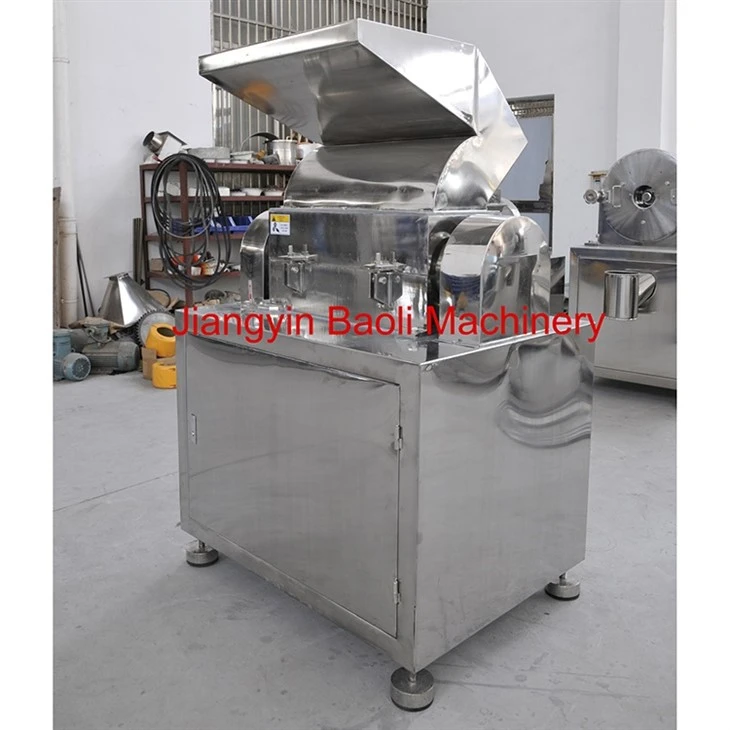
As a reputable coarse crusher supplier, I understand the critical role that the hydraulic system plays in the efficient operation of these machines. A well-maintained hydraulic system not only ensures the smooth functioning of the coarse crusher but also extends its service life and reduces the risk of costly breakdowns. In this blog post, I will share some essential tips on how to maintain the hydraulic system of a coarse crusher.
Understanding the Hydraulic System in a Coarse Crusher
Before delving into maintenance procedures, it's crucial to have a basic understanding of how the hydraulic system in a coarse crusher works. The hydraulic system is responsible for powering various components of the crusher, such as the toggle plate, the eccentric shaft, and the hydraulic cylinders. It consists of a hydraulic pump, hydraulic fluid, valves, and cylinders. The pump pressurizes the hydraulic fluid, which then flows through the valves to the cylinders, where it creates the necessary force to operate the crusher's moving parts.
Regular Inspection and Monitoring
Regular inspection is the cornerstone of hydraulic system maintenance. It allows you to detect potential issues early and take corrective actions before they escalate into major problems. Here are some key aspects to inspect:
Hydraulic Fluid Level and Quality
- Fluid Level: Check the hydraulic fluid level regularly. A low fluid level can cause the pump to draw in air, leading to cavitation and damage to the pump. Refer to the manufacturer's recommendations for the correct fluid level.
- Fluid Quality: Monitor the condition of the hydraulic fluid. Look for signs of contamination, such as dirt, water, or metal particles. Contaminated fluid can cause wear and tear on the hydraulic components and reduce the system's efficiency. If the fluid appears dirty or has an abnormal odor, it may be necessary to change it.
Hoses and Fittings
- Inspect for Damage: Examine the hydraulic hoses and fittings for any signs of wear, cracks, or leaks. Damaged hoses can cause fluid loss and reduce the system's pressure, while loose fittings can lead to leaks and potential safety hazards.
- Tighten Fittings: Ensure that all fittings are securely tightened. Loose fittings can allow fluid to leak out, which not only wastes hydraulic fluid but also exposes the system to air and contaminants.
Valves and Cylinders
- Valve Functionality: Check the operation of the hydraulic valves. Make sure they are opening and closing properly. Sticking valves can cause erratic operation of the crusher and may lead to hydraulic system failure.
- Cylinder Seals: Inspect the cylinder seals for leaks. Worn-out seals can cause fluid to leak from the cylinders, reducing their effectiveness and potentially leading to damage to other components.
Proper Fluid Management
The hydraulic fluid is the lifeblood of the hydraulic system, and proper fluid management is essential for its long-term health. Here are some best practices:

Use the Right Fluid
- Follow Manufacturer's Recommendations: Use the hydraulic fluid recommended by the crusher manufacturer. Different crushers may require specific types of hydraulic fluid with certain viscosity and performance characteristics. Using the wrong fluid can lead to poor system performance and premature component wear.
- Fluid Compatibility: Ensure that any new fluid added to the system is compatible with the existing fluid. Mixing incompatible fluids can cause chemical reactions that may damage the hydraulic components.
Fluid Filtration
- Install High-Quality Filters: Use high-quality hydraulic filters to remove contaminants from the fluid. Filters should be replaced at regular intervals as recommended by the manufacturer. A clogged filter can restrict fluid flow, increase pressure, and cause damage to the pump and other components.
- Monitor Filter Condition: Regularly check the condition of the filters. If a filter appears dirty or clogged before the recommended replacement interval, it should be replaced immediately.
Fluid Change
- Follow a Schedule: Adhere to a regular fluid change schedule. Over time, the hydraulic fluid can break down and become contaminated, losing its effectiveness. Regular fluid changes help maintain the system's performance and prevent premature wear of components.
- Flush the System: When changing the fluid, it's also a good idea to flush the hydraulic system to remove any remaining contaminants. Follow the manufacturer's instructions for flushing the system.
Temperature Control
Excessive heat can have a detrimental effect on the hydraulic system. High temperatures can cause the hydraulic fluid to break down, reduce its viscosity, and increase the wear on the components. Here's how to control the temperature:
Cooling System Inspection
- Check Cooler Functionality: If the coarse crusher is equipped with a hydraulic cooler, regularly inspect it to ensure it is working properly. The cooler helps dissipate heat from the hydraulic fluid, keeping the system at a safe operating temperature.
- Clean the Cooler: Remove any dirt, debris, or dust that may accumulate on the cooler fins. A dirty cooler can reduce its cooling efficiency and cause the system to overheat.
Monitor Fluid Temperature
- Use Temperature Gauges: Install temperature gauges in the hydraulic system to monitor the fluid temperature. Keep an eye on the temperature readings and take action if the temperature exceeds the recommended limits.
- Reduce Load in High Temperatures: If the system is operating in hot conditions, consider reducing the load on the crusher to prevent overheating. Overloading the crusher can cause the hydraulic system to work harder, generating more heat.
Operator Training
Proper operator training is crucial for the maintenance of the hydraulic system. Operators should be educated on the following:
System Operation
- Understand the Controls: Operators should be familiar with the controls of the hydraulic system and know how to operate the crusher safely and efficiently.
- Follow Operating Procedures: They should follow the manufacturer's recommended operating procedures, including starting and stopping the crusher correctly and avoiding sudden changes in speed or load.
Maintenance Awareness
- Recognize Warning Signs: Train operators to recognize the warning signs of hydraulic system problems, such as abnormal noises, leaks, or changes in performance. Early detection of issues can prevent major breakdowns.
- Report Problems Promptly: Operators should be encouraged to report any problems they notice with the hydraulic system immediately to the maintenance team.
Common Hydraulic System Problems and Solutions
Even with proper maintenance, hydraulic systems can sometimes experience problems. Here are some common issues and their solutions:
Hydraulic Leaks
- Cause: Leaks can be caused by worn seals, loose fittings, or damaged hoses.
- Solution: Identify the source of the leak and replace the damaged component. Tighten any loose fittings and ensure that all connections are secure.
Low Hydraulic Pressure
- Cause: Low pressure can be due to a fluid leak, a clogged filter, a faulty pump, or a problem with the valves.
- Solution: Check for leaks and repair them. Replace the filter if it is clogged. Inspect the pump and valves for proper operation and replace any faulty components.
Cavitation
- Cause: Cavitation occurs when the hydraulic fluid boils due to low pressure or high temperature, creating bubbles. These bubbles can collapse and cause damage to the pump and other components.
- Solution: Check the fluid level and ensure that there are no air leaks in the system. Lower the temperature if it is too high. Replace the pump if it has been damaged.
Conclusion
Maintaining the hydraulic system of a coarse crusher is essential for its reliable operation and long service life. By following the tips outlined in this blog post, including regular inspection, proper fluid management, temperature control, and operator training, you can minimize the risk of hydraulic system problems and keep your crusher running smoothly.
If you are in the market for a high-quality coarse crusher, we offer a wide range of products, including the Malt Mill Barley Crusher, Chilli Crushing Machine, and Spice Grinder. Our crushers are designed with advanced hydraulic systems for optimal performance and durability.
If you have any questions or would like to discuss your specific requirements, please feel free to contact us for a consultation. We are committed to providing you with the best solutions for your crushing needs.
References
- Manufacturer's manuals for coarse crushers and hydraulic systems.
- Industry standards and best practices for hydraulic system maintenance.
- Technical literature on hydraulic systems and fluid mechanics.