

What is the role of the airflow in an Ultra Fine Powder Grinder?
Dec 30, 2025
The airflow in an Ultra Fine Powder Grinder plays a multi - faceted and crucial role, significantly influencing the overall performance, efficiency, and quality of the grinding process. As a supplier of Ultra Fine Powder Grinders, understanding these functions is essential for both us and our customers to make the most of this equipment.
Classification and Separation
One of the primary functions of airflow in an Ultra Fine Powder Grinder is classification and separation. After the raw materials are ground, particles of various sizes are present in the grinding chamber. The airflow acts as a classifier, carrying the fine particles out of the grinding area while leaving the coarser particles behind for further grinding.
In our Ultra Fine Grinding Machine, the carefully designed airflow system ensures that only particles that meet the desired fineness are carried away. The airflow velocity is a key factor here. A higher velocity can carry larger particles, while a lower velocity will only allow the finest particles to be transported. This is similar to a sieve, but with a more dynamic and efficient way of separating particles based on their size.
For example, in the grinding of pharmaceutical powders, precise classification is of utmost importance. The airflow helps in separating the particles to ensure that the final product consists of uniformly sized particles, which is crucial for the effectiveness and stability of the medication. If the airflow is not properly adjusted, there may be an over - presence of coarse particles in the final product, which can lead to uneven dosing and reduced efficacy.
Cooling
Grinding generates a significant amount of heat due to the mechanical forces involved in breaking down the raw materials. Excessive heat can have several negative impacts on the grinding process. It can cause the particles to agglomerate, reducing the fineness of the powder and also potentially degrading heat - sensitive materials.
The airflow in the Ultra Fine Powder Grinder acts as a cooling medium. As the air passes through the grinding chamber, it absorbs the heat generated during the grinding process and transfers it away from the grinding area. This helps in maintaining a relatively stable temperature inside the grinder, which is essential for the quality of the final product.
In the case of our Sugar Pulverizer Machine, sugar is a heat - sensitive material. If the temperature rises too high during grinding, the sugar may melt and clump together, resulting in an uneven powder. The continuous flow of air helps in keeping the temperature in check, ensuring that the sugar is ground into a fine, free - flowing powder.
Material Transport
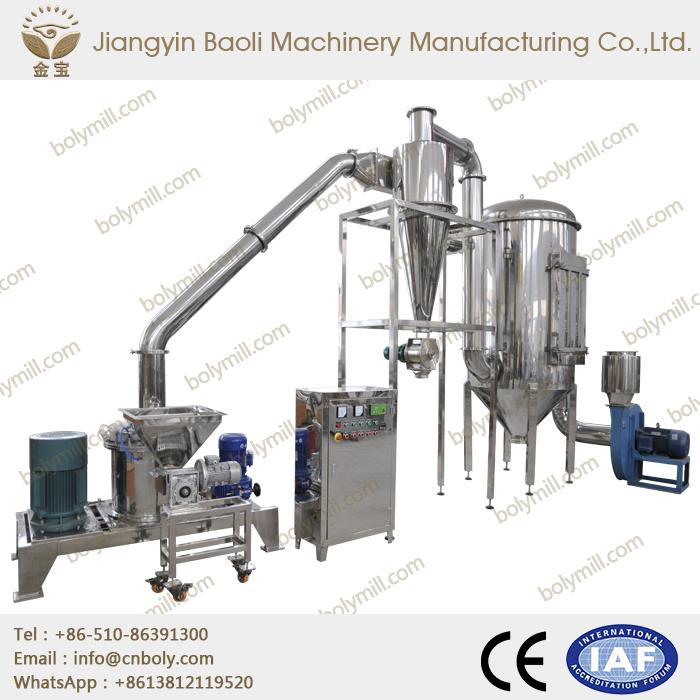
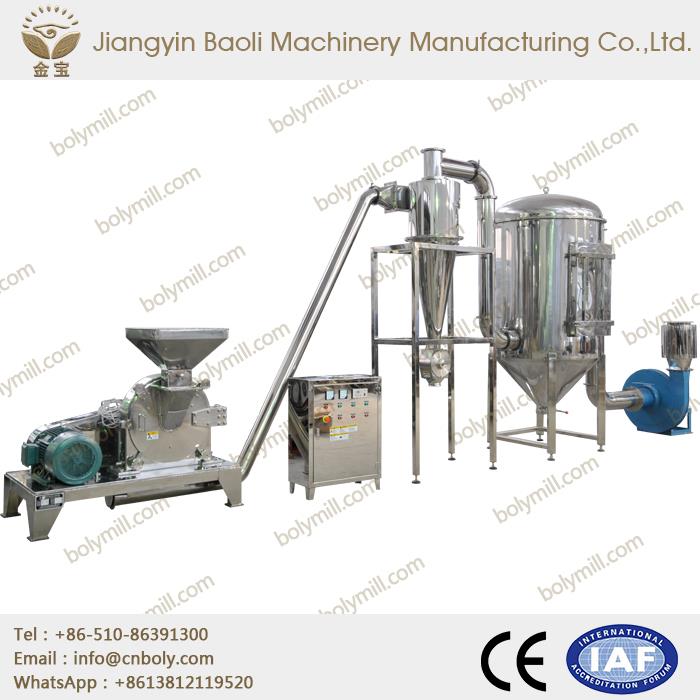
The airflow also serves as a means of transporting the ground material from the grinding chamber to the collection system. Once the particles are ground to the desired size and classified by the airflow, they are carried by the air stream towards the collection device, such as a cyclone separator or a bag filter.
This transportation function is vital for the continuous operation of the Ultra Fine Powder Grinder. Without the airflow, the ground particles would accumulate in the grinding chamber, causing blockages and reducing the efficiency of the grinder. The design of the airflow path is carefully engineered to ensure smooth and efficient material transport.
In the grinding of spices, such as in our Red Chili Spices Powder Grinding Mill Machine, the airflow quickly transports the ground chili powder out of the grinding chamber. This not only prevents the powder from over - grinding but also allows for a continuous and high - volume production process.
Impact on Grinding Efficiency
The airflow can have a direct impact on the grinding efficiency of the Ultra Fine Powder Grinder. A well - designed airflow system can enhance the grinding efficiency by ensuring that the grinding media (such as balls or hammers) have better contact with the raw materials.
The airflow can help in dispersing the raw materials evenly in the grinding chamber, preventing the formation of agglomerates and ensuring that all the particles are exposed to the grinding forces. It also helps in removing the ground particles from the vicinity of the grinding media, allowing for continuous grinding of new particles.
In addition, the airflow can influence the energy consumption of the grinder. By optimizing the airflow, we can reduce the resistance in the grinding chamber, which in turn reduces the power required for the grinding process. This leads to energy savings and a more cost - effective operation.
Influence on Product Quality
The role of airflow in determining the product quality cannot be overstated. As mentioned earlier, the classification function of the airflow ensures that the final product has a uniform particle size distribution. This uniformity is crucial for the performance of the powder in various applications.
In the food industry, for example, a uniform particle size in spices and seasonings is important for even flavor distribution. In the cosmetics industry, the fineness and uniformity of the powder can affect the texture and appearance of the product. The cooling function of the airflow also helps in preserving the chemical and physical properties of the raw materials, ensuring that the final product retains its original characteristics.
Adjustment and Optimization
To fully utilize the functions of the airflow in the Ultra Fine Powder Grinder, proper adjustment and optimization are necessary. The airflow velocity, volume, and direction need to be carefully calibrated based on the type of raw material, the desired particle size, and the capacity of the grinder.
Modern Ultra Fine Powder Grinders are often equipped with advanced control systems that allow for precise adjustment of the airflow parameters. These systems can monitor the temperature, pressure, and particle size distribution in real - time and make automatic adjustments to the airflow to ensure optimal performance.
As a supplier of Ultra Fine Powder Grinders, we provide our customers with comprehensive training and support on how to adjust and optimize the airflow in their grinders. We also offer customized solutions based on the specific needs of each customer, taking into account the unique characteristics of their raw materials and production requirements.
Conclusion
The airflow in an Ultra Fine Powder Grinder is a critical element that affects multiple aspects of the grinding process, including classification, cooling, material transport, grinding efficiency, and product quality. Understanding the role of airflow and how to optimize it is essential for achieving the best results in powder grinding.
If you are in need of an Ultra Fine Powder Grinder and want to ensure that you get the most out of the airflow functions, we are here to help. Our team of experts can provide you with in - depth advice and support to meet your specific grinding needs. Whether you are in the pharmaceutical, food, or chemical industry, our grinders are designed to deliver high - quality results. Contact us to start a discussion about your powder - grinding requirements and explore how our Ultra Fine Powder Grinders can enhance your production process.
References
- Perry, R. H., & Green, D. W. (Eds.). (2008). Perry's Chemical Engineers' Handbook. McGraw - Hill.
- Svarovsky, L. (2000). Solid - Liquid Separation. Butterworth - Heinemann.