

How does the discharge system of a Plough Shear Mixer work?
Nov 04, 2026
As a seasoned supplier of Plough Shear Mixers, I'm often asked about the intricacies of their discharge systems. Understanding how a Plough Shear Mixer's discharge system operates is crucial for anyone involved in the mixing process, whether you're a manufacturer looking to optimize production or an engineer seeking to improve efficiency. In this blog post, I'll delve into the details of how the discharge system of a Plough Shear Mixer works, exploring its components, functionality, and the factors that influence its performance.
Components of the Discharge System
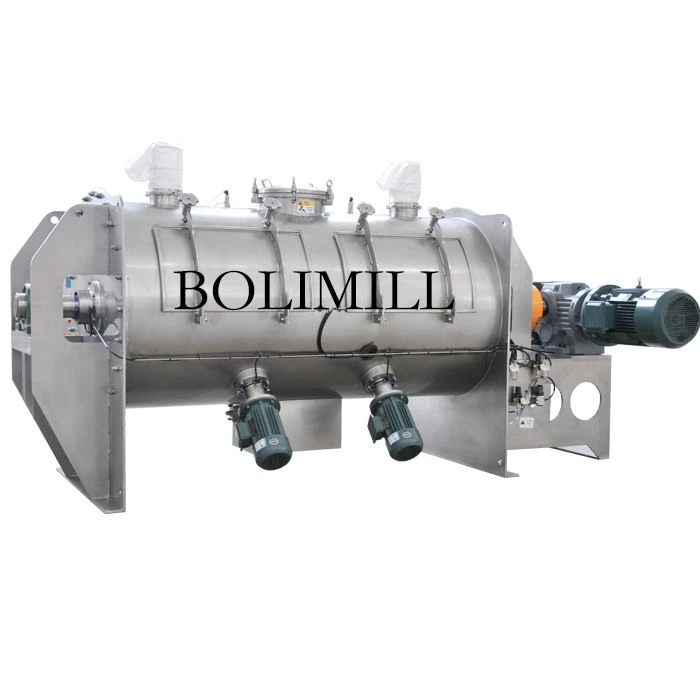
The discharge system of a Plough Shear Mixer consists of several key components that work together to facilitate the smooth and efficient removal of the mixed material from the mixing chamber. These components typically include:
Discharge Door: The discharge door is the primary opening through which the mixed material exits the mixer. It is usually located at the bottom of the mixing chamber and can be opened and closed manually or automatically.
Actuator: The actuator is responsible for controlling the movement of the discharge door. It can be pneumatic, hydraulic, or electric, depending on the specific design of the mixer.
Sealing System: To prevent leakage of the mixed material during the mixing process, the discharge door is equipped with a sealing system. This system typically consists of gaskets or seals that create a tight seal between the door and the mixing chamber.
Discharge Chute: The discharge chute is a channel that directs the mixed material from the discharge door to the next stage of the production process. It can be designed to be straight or curved, depending on the layout of the production facility.

Functionality of the Discharge System
The operation of the discharge system of a Plough Shear Mixer can be divided into three main stages: filling, mixing, and discharging.
- Filling Stage: During the filling stage, the raw materials are loaded into the mixing chamber through the inlet port. The discharge door remains closed during this stage to prevent the materials from spilling out.
- Mixing Stage: Once the raw materials are loaded, the mixing process begins. The plough-shaped blades inside the mixer rotate at high speed, creating a powerful shearing and mixing action that ensures thorough blending of the materials. The discharge door remains closed during this stage to maintain the integrity of the mixing process.
- Discharging Stage: After the mixing process is complete, the discharge door is opened, allowing the mixed material to flow out of the mixer through the discharge chute. The actuator controls the opening and closing of the discharge door, ensuring that the material is discharged in a controlled and efficient manner.
Factors Affecting the Performance of the Discharge System
Several factors can affect the performance of the discharge system of a Plough Shear Mixer. These factors include:
- Material Properties: The properties of the material being mixed, such as its viscosity, density, and particle size, can have a significant impact on the performance of the discharge system. For example, materials with high viscosity or large particle sizes may require a larger discharge door or a more powerful actuator to ensure smooth and efficient discharge.
- Mixing Time: The mixing time can also affect the performance of the discharge system. If the mixing time is too short, the material may not be fully mixed, which can lead to uneven discharge and poor product quality. On the other hand, if the mixing time is too long, the material may become overmixed, which can also affect the performance of the discharge system.
- Discharge Door Design: The design of the discharge door can also affect the performance of the discharge system. A well-designed discharge door should be easy to open and close, provide a tight seal, and allow for efficient discharge of the material.
- Actuator Type: The type of actuator used to control the movement of the discharge door can also affect the performance of the discharge system. Pneumatic actuators are commonly used in Plough Shear Mixers because they are reliable, easy to operate, and can provide a high level of control.
Importance of a Well-Designed Discharge System
A well-designed discharge system is essential for the efficient and reliable operation of a Plough Shear Mixer. Here are some of the key benefits of a well-designed discharge system:
- Improved Productivity: A well-designed discharge system can significantly improve the productivity of the mixing process by reducing the time required for discharge and minimizing the amount of material that remains in the mixer after discharge.
- Enhanced Product Quality: A well-designed discharge system can help to ensure that the mixed material is discharged evenly and consistently, which can improve the quality of the final product.
- Reduced Maintenance Costs: A well-designed discharge system is less likely to experience problems such as leakage or blockages, which can reduce the need for maintenance and repair.
- Increased Safety: A well-designed discharge system can help to reduce the risk of accidents and injuries by ensuring that the mixed material is discharged in a controlled and safe manner.
Applications of Plough Shear Mixers
Plough Shear Mixers are widely used in a variety of industries, including food processing, pharmaceuticals, chemicals, and plastics. Here are some of the common applications of Plough Shear Mixers:
- Industrial Plow Mixer: Industrial Plow Mixers are used for mixing large quantities of dry powders, granules, and pastes. They are commonly used in industries such as chemicals, plastics, and ceramics.
- Pet Foods Mixer Machine: Pet Foods Mixer Machines are designed specifically for the mixing of pet foods. They can handle a variety of ingredients, including grains, meats, vegetables, and vitamins, to produce high-quality pet foods.
- Plough Shear Chocolate Protein Powder Mixer: Plough Shear Chocolate Protein Powder Mixers are used for the mixing of chocolate protein powders. They can ensure thorough blending of the ingredients, resulting in a smooth and consistent product.
- Detergent Powder Mixer Machine: Detergent Powder Mixer Machines are used for the mixing of detergent powders. They can handle a variety of ingredients, including surfactants, builders, and enzymes, to produce high-quality detergents.
- Degreasing Powder Dye Powder Mixer: Degreasing Powder Dye Powder Mixers are used for the mixing of degreasing powders and dye powders. They can ensure thorough blending of the ingredients, resulting in a uniform and consistent product.
Contact Us for Your Plough Shear Mixer Needs
If you're in the market for a Plough Shear Mixer or have any questions about our products, we'd love to hear from you. Our team of experts can provide you with detailed information about our Plough Shear Mixers, including their features, benefits, and specifications. We can also help you choose the right mixer for your specific application and provide you with customized solutions to meet your unique needs.