

How does the feeding system of a coarse crusher work?
May 27, 2026
Hey there! As a supplier of coarse crushers, I'm super stoked to walk you through how the feeding system of a coarse crusher works. It's a pretty fascinating process, and understanding it can really help you get the most out of your equipment.
Let's start with the basics. The feeding system of a coarse crusher is like the gateway to the whole crushing operation. It's responsible for getting the raw materials into the crusher at the right rate and in the right condition. There are a few different types of feeding systems out there, but they all have the same goal: to ensure a smooth and efficient flow of materials.
One of the most common types of feeding systems is the vibrating feeder. This bad boy uses vibrations to move the materials along a conveyor belt and into the crusher. It's a simple but effective way to control the flow of materials, and it can handle a wide range of materials, from small rocks to large chunks of ore.
Another type of feeding system is the belt feeder. This system uses a conveyor belt to transport the materials to the crusher. It's a bit more complex than the vibrating feeder, but it can handle larger volumes of materials and is more precise in terms of controlling the feed rate.
So, how does the feeding system actually work? Well, it all starts with the hopper. The hopper is where the raw materials are stored before they're fed into the crusher. It's usually a large container that can hold a significant amount of material.
Once the materials are in the hopper, they're fed into the feeding system. The feeding system then transports the materials to the crusher at a controlled rate. This is important because if the materials are fed too quickly, the crusher can become overloaded and break down. On the other hand, if the materials are fed too slowly, the crusher won't be operating at its full capacity.
The feeding system also plays an important role in ensuring that the materials are evenly distributed in the crusher. This helps to ensure that the crushing process is more efficient and that the final product is of a higher quality.

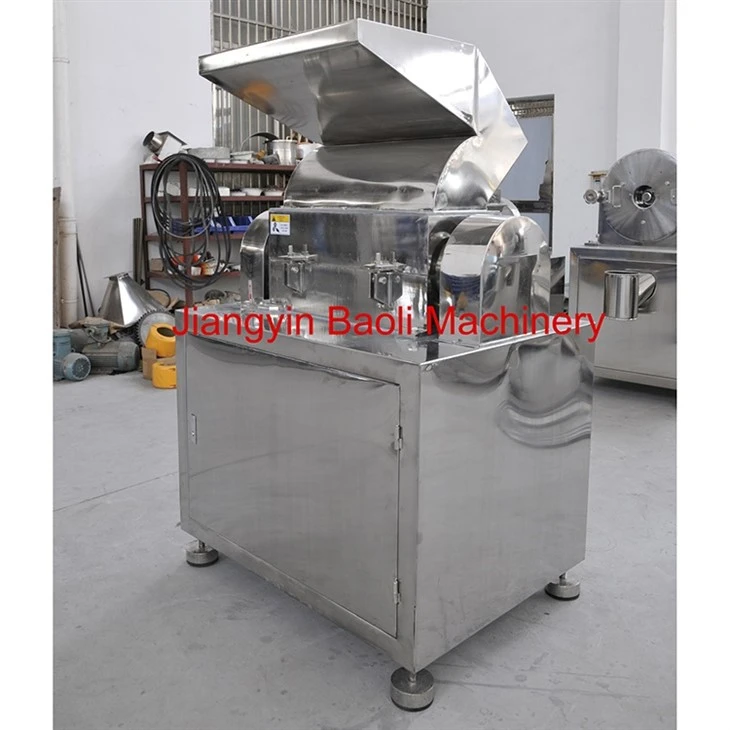
Now, let's talk about some of the factors that can affect the performance of the feeding system. One of the most important factors is the size and shape of the materials. If the materials are too large or too irregular in shape, they can cause problems in the feeding system. For example, they might get stuck in the hopper or the conveyor belt, which can slow down the feeding process.
Another factor that can affect the performance of the feeding system is the moisture content of the materials. If the materials are too wet, they can clump together and cause blockages in the feeding system. On the other hand, if the materials are too dry, they can create dust and cause problems with the air quality in the workplace.
To ensure that the feeding system is working properly, it's important to regularly inspect and maintain it. This includes checking the conveyor belts for wear and tear, lubricating the moving parts, and cleaning the hopper and other components.
So, there you have it! That's a basic overview of how the feeding system of a coarse crusher works. If you're in the market for a coarse crusher, I highly recommend checking out our Chilli Crushing Machine, Moringa Leaf Coarse Crusher, or Crush Machine. We offer a wide range of high-quality coarse crushers that are designed to meet the needs of different industries.
If you have any questions or would like to learn more about our products, please don't hesitate to contact us. We're always happy to help and look forward to working with you to find the perfect coarse crusher for your needs.